



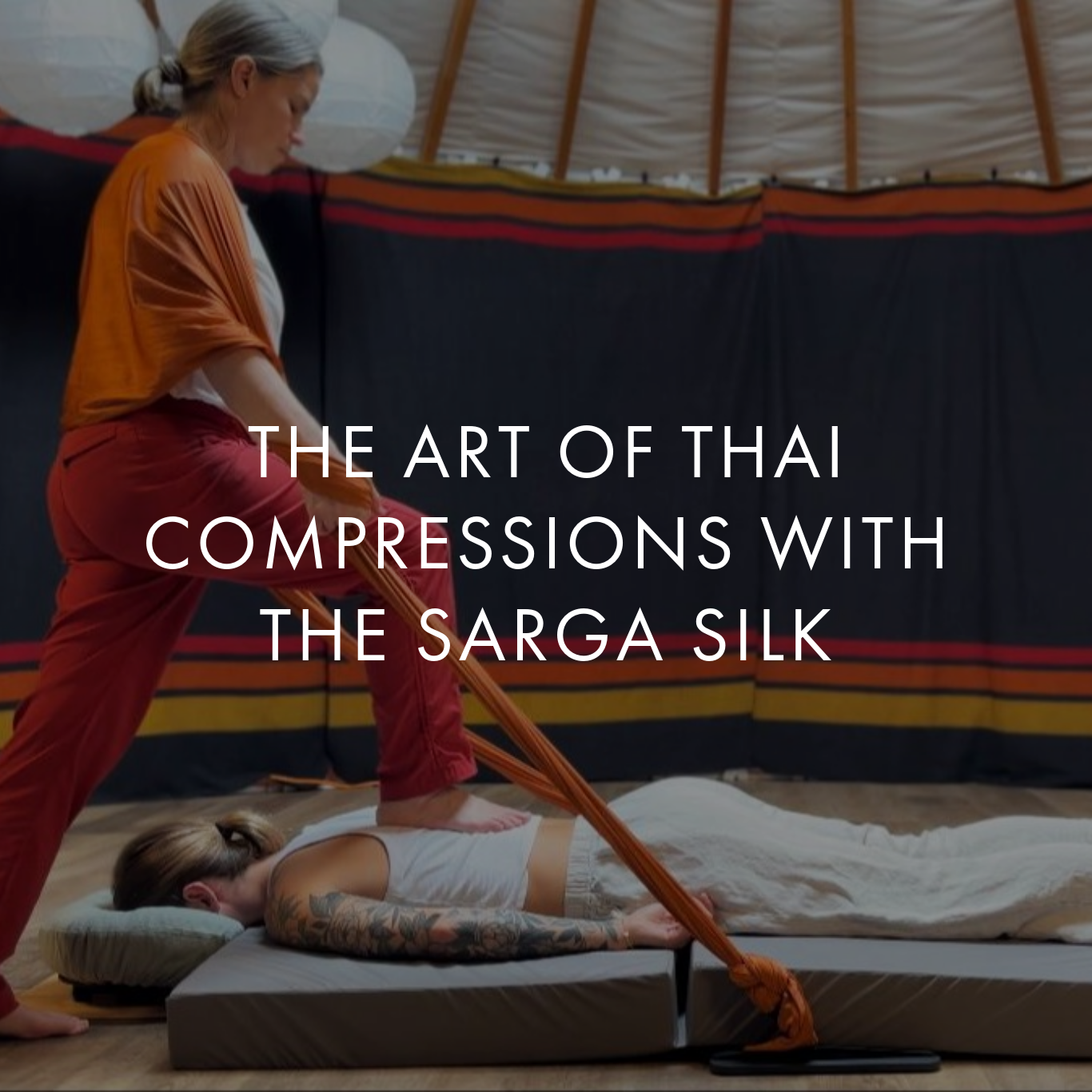
L’arte delle compressioni thailandesi con la Sarga Silk
Radicato nel massaggio a piedi nudi e ispirato al fluire del massaggio thailandese, questo breve corso ti insegna come applicare una pressione efficace utilizzando piedi, ginocchia e tutto il peso corporeo—con la Sarga Silk—senza rinunciare a facilità, controllo o creatività.
The Art of Compressions è un corso rapido e di facile applicazione che pone le basi per un lavoro corporeo più profondo e sostenibile. Il corso funge anche da guida ai prodotti con istruzioni di montaggio per la Sarga Board, il SargaThai Mat, la Sarga Silk e il Sarga Headrest per i lettini da massaggio a terra. Al termine, avrai strumenti da integrare in qualsiasi pratica su materassino—per aiutarti a mantenerti nel lavoro che ami più a lungo e con meno fatica.
Si abbina bene con
L’arte delle compressioni thailandesi con la Sarga Silk
Siamo qui per supportarti in ogni fase del tuo percorso con Sarga Bodywork.
Che tu abbia domande sui corsi, sull'attrezzatura o sulla tua pratica, qui sotto troverai le risposte oppure potrai contattare direttamente il nostro team.
-
Domande frequenti
Trova le risposte alle domande più frequenti su corsi, certificazione, compatibilità dell’attrezzatura e su come integrare Sarga Bodywork nella tua pratica.
-
Contattaci
Ricevi supporto personalizzato dal nostro team per qualsiasi domanda sulla formazione, sulla scelta dell’attrezzatura o su come integrare Sarga nel tuo lavoro.
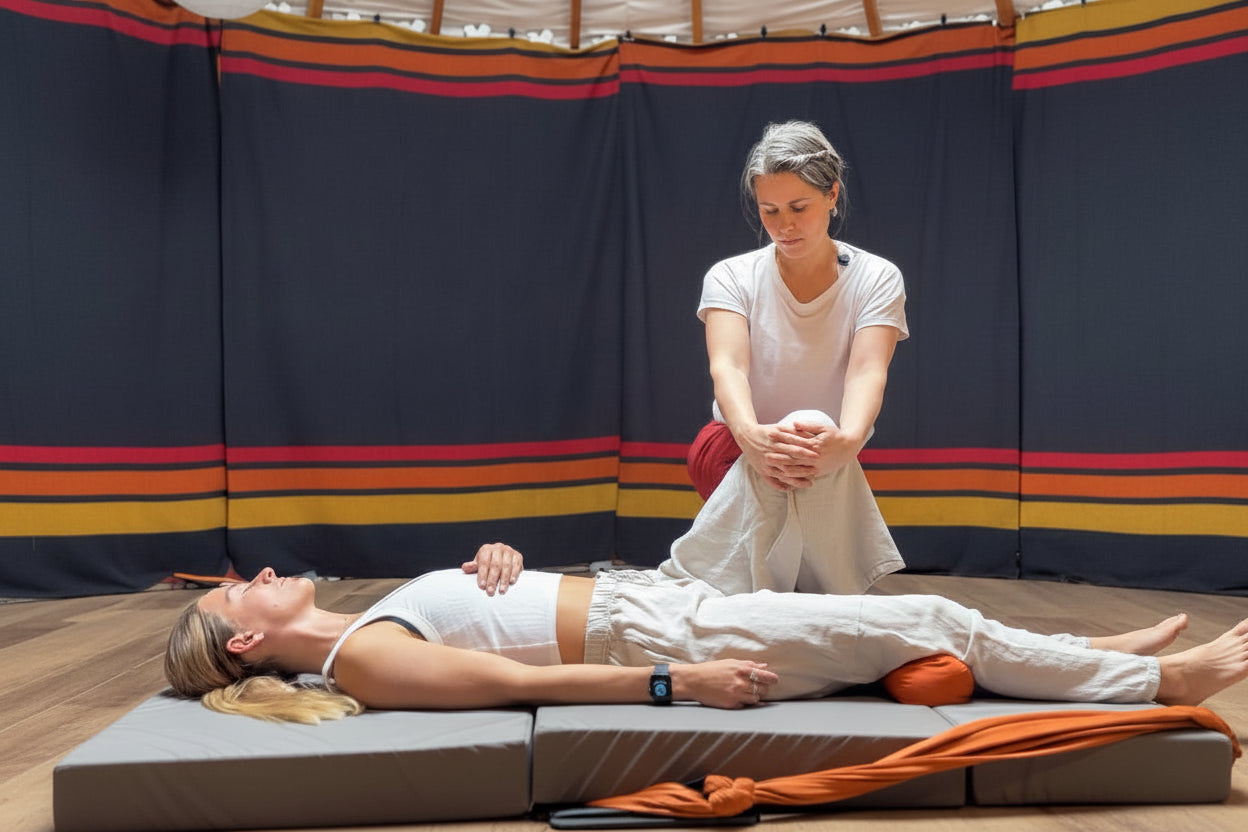
Questo corso è stato creato per:
- Operatori che desiderano imparare a utilizzare i piedi come strumenti di terapia manuale, ma non sanno da dove iniziare.
- Terapisti di Massaggio Thailandese che vogliono rinnovare la propria pratica integrando le attrezzature Sarga Bodywork.
- Diplomati e iscritti al corso Sarga Bodywork Beginner (Sarga 101) che desiderano integrare le tecniche del Massaggio Thailandese nella propria pratica di lavoro corporeo.
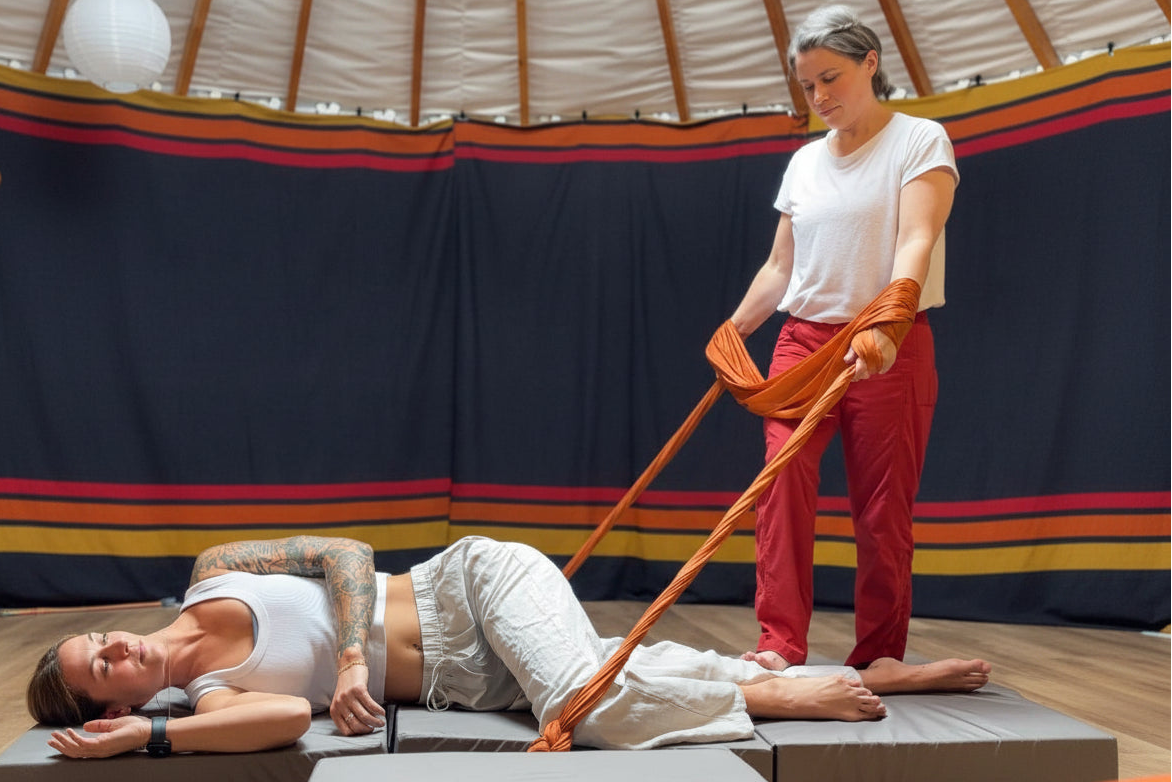
Cosa aspettarsi da questo corso:
- Come utilizzare la Sarga Silk e la Sarga Board per ottenere trazione e stabilità.
- I principi fondamentali della compressione basata sulla tensegrità—tirare con le braccia sulla Sarga Silk, mentre si preme verso il basso con le gambe.
- Tecniche supportate in posizione supina, prona e in decubito laterale.
- Come preservare la propria energia e muoversi con maggiore sicurezza.
- Preparazione dell’attrezzatura per la Sarga Board, il SargaThai Mat, la Sarga Silk e il Sarga Headrest per i lettini da massaggio per il lavoro a terra.
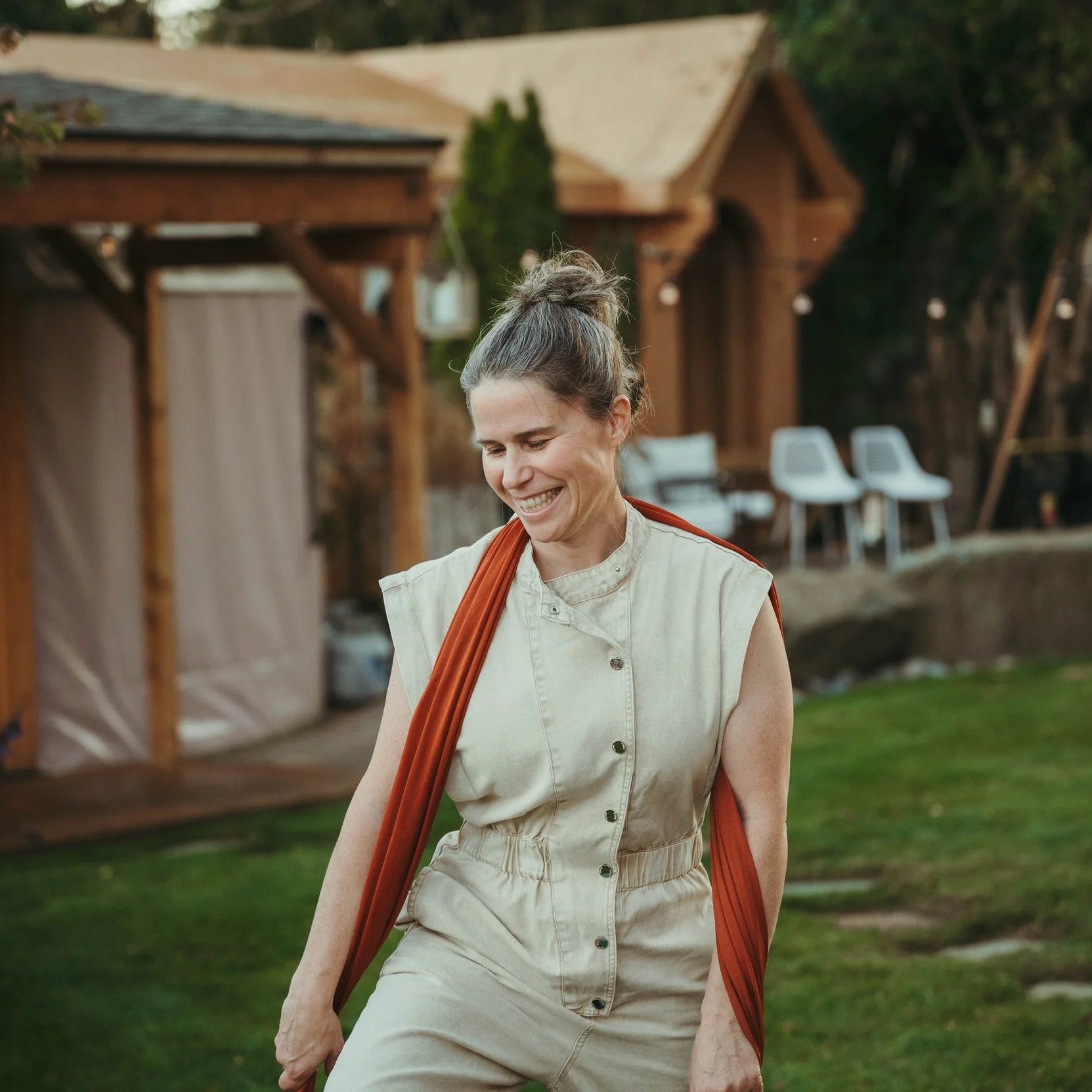
Conosci la tua formatrice
Kristi Kutzera si è avvicinata al lavoro corporeo grazie allo Yoga. Dopo aver conseguito la licenza per il massaggio nel 2015, ha trovato la sua passione nel massaggio thailandese, ma sentiva che mancava ancora qualcosa.
Dopo aver frequentato la formazione Sarga, ha trovato il suo “luogo” unendo il lavoro fasciale di Sarga al movimento passivo del massaggio thailandese.
Domande frequenti
Trova risposte alle domande più frequenti sulla formazione, le tecniche e le attrezzature Sarga Bodywork.
Quali sono i prerequisiti del corso The Art of Thai Compressions?
Non ci sono prerequisiti richiesti per il corso The Art of Thai Compressions.
Dove posso consultare il programma del corso online The Art of Thai Compressions?
Puoi consultare il programma del corso The Art of Thai Compressions qui.
Quale attrezzatura è necessaria per The Art of Thai Compressions?
Per questo corso, puoi allestire il tuo spazio in due modi: utilizzando un materassino per massaggi a terra oppure una configurazione Sarga Bodywork a terra.
Opzione 1: Configurazione con materassino
- Un futon o materassino terapeutico
- Una Sarga Board o XL Sarga Board
- Un poggiatesta a terra (se il materassino è alto più di 10 cm)
- Una Sarga Silk
Opzione 2: Configurazione con lettino da massaggio a terra
- Un lettino da massaggio portatile con “cavi di rilascio shiatsu” oppure la possibilità di sganciare una estremità di entrambi i cavi orizzontali della struttura inferiore
- Componenti per fissaggio della seta (Sarga Attachments for Floor-Based Massage Tables oppure Sarga Floor Loops - richiede installazione)
- Un poggiatesta a terra
- Una Sarga Silk
Ti basta una di queste configurazioni, oltre alla Sarga Silk, per ottenere tutti i benefici di The Art of Thai Compressions.
A chi è indicato The Art of Thai Compressions?
- Operatori che desiderano imparare a utilizzare i piedi come strumenti di terapia manuale, ma non sanno da dove iniziare.
- Massaggiatori Thai che vogliono rinnovare la propria pratica integrando l’attrezzatura Sarga Bodywork.
- Diplomati e partecipanti al corso Sarga Bodywork Beginner (Sarga 101) che desiderano integrare le tecniche di massaggio Thai nel proprio lavoro corporeo.
Che livello di forma fisica è necessario per praticare The Art of Thai Compressions?
SargaThai e The Art of Thai Compressions diventeranno sicuramente più facili con la pratica; tuttavia, apprendere questa modalità può essere inizialmente piuttosto impegnativo e un’ottima condizione fisica (in particolare forza isometrica) è fondamentale per ottenere il massimo da un corso di SargaThai. Yoga, Pilates, danza, arti marziali o qualsiasi attività che integri forza e flessibilità contribuirà a prepararti per praticare SargaThai.
4 parametri di fitness
Ecco quattro parametri di fitness che possono aiutarti a valutare la tua capacità di apprendere ed eseguire SargaThai e The Art of Thai Compressions con successo:
- La capacità di mantenere l’equilibrio su un piede per almeno 1 minuto senza appoggiarti a nulla.
- Ottimo condizionamento cardiovascolare e la capacità di svolgere esercizio cardiovascolare (come jogging o nuoto) per 10-15 minuti senza fermarti.
- La capacità di eseguire almeno 3 serie da 20 squat.
- La capacità di mantenere una plank isometrica per almeno 1 minuto.
Se desideri una guida per la preparazione fisica che ti aiuti ad apprendere ed eseguire SargaThai e The Art of Thai Compressions con sicurezza, il nostro corso online Sarga Fit è una risorsa eccellente pensata per le esigenze di fitness di The Art of Thai Compressions, SargaThai e Sarga Bodywork.
Perché si utilizzano i piedi?
I piedi sono strumenti straordinari per la terapia manuale e, come operatori, la capacità di eseguire un massaggio con i piedi apre nuove possibilità biomeccaniche.
Il massaggio a piedi nudi è una pratica antica, particolarmente diffusa in alcune parti dell’Asia e del Pacifico; questa pratica comprende tecniche di terapia manuale applicate al corpo del ricevente con i piedi nudi dell’operatore.
Queste tecniche spesso imitano quelle eseguite con le mani del terapeuta, ma una differenza significativa è che il massaggio a piedi nudi risulta meno “puntiforme” e consente di applicare una pressione più profonda e costante grazie alla superficie di contatto più ampia dei piedi e alla forza di gravità che può essere utilizzata per l’esecuzione delle tecniche.
Che cos’è la tecnica miofasciale?
Il prefisso “myo” si riferisce al tessuto muscolare. La fascia è il tessuto connettivo che costituisce una matrice tridimensionale continua di supporto strutturale per tutto il corpo e avvolge ogni singola cellula, collegando le cellule agli organi, gli organi ai sistemi, e penetrando ogni muscolo dell’intero organismo.
Definiamo la tecnica miofasciale come una terapia manuale caratterizzata da un contatto lento, sostenuto, obliquo e ad alta aderenza, con l’obiettivo di stimolare una risposta di allungamento nella fascia associata al tessuto muscolare (myo) (vedi shear-force).
Il massaggio miofasciale può aiutare a trattare dolore muscolare, infiammazione e restrizione, rilassando i muscoli contratti, stimolando l’allungamento e l’idratazione dei tessuti e migliorando la circolazione.
Qual è la differenza tra lavoro corporeo e massaggio?
Secondo il Mosby’s Dictionary of Complementary and Alternative Medicine:
Massaggio è l’applicazione di varie tecniche manuali di tocco e sfioramento sui muscoli e sui tessuti molli per favorire il rilassamento e migliorare il benessere del cliente.
Lavoro corporeo utilizza paradigmi di tocco terapeutico con l’obiettivo di ripristinare la salute e l’equilibrio dell’intera persona lavorando attraverso il corpo. In altre parole, il corpo è considerato come una porta d’accesso alla salute sistemica.
Corsi in presenza vs. corsi online?
Riceviamo spesso questa domanda e, sebbene riconosciamo che niente può sostituire l’apprendimento in presenza, soprattutto per le discipline basate sul movimento e il tatto, entrambe le modalità – in presenza e online – presentano vantaggi e svantaggi.
Corsi online
La formazione online è una realtà in costante evoluzione che negli ultimi anni ha compiuto grandi progressi. Piattaforme dinamiche, intuitive e facili da usare hanno reso sempre più fluida ed efficace l’esperienza educativa digitale. Con i corsi online di Sarga Bodywork avrai accesso a un percorso di apprendimento guidato passo dopo passo che include video didattici in alta definizione, materiali scritti di supporto e l’accesso a un gruppo Facebook privato per il supporto continuo. Ecco alcuni vantaggi principali nell’iniziare il percorso di formazione Sarga Bodywork online:
- Studia da casa!
- Avanza nel programma didattico secondo i tuoi ritmi.
- Inizia con Sarga 101 Online per capire se il materiale fa per te e partecipa successivamente a un corso in presenza.
- Accesso illimitato e materiale archiviabile ti consentono di consultare i contenuti ogni volta che ne hai bisogno.
- Il costo del corso online è più accessibile rispetto ai corsi in presenza.
- Nessuna necessità di viaggiare né spese di trasferta
Corsi in presenza
I corsi in presenza di Sarga Bodywork sono programmi impegnativi, sia fisicamente che mentalmente, incentrati sulle tecniche. Durante questi corsi viene trattata molta materia e la padronanza delle tecniche si acquisisce con la pratica successiva alle lezioni. Il programma è strutturato per essere progressivo, integrando nuovi elementi ogni giorno di lezione. Prepara corpo e mente per un’esperienza di apprendimento intensa! Ecco alcuni vantaggi principali nell’iniziare il percorso di formazione Sarga Bodywork in presenza:
- La formazione dal vivo, tradizionale e collaudata nel tempo, integra stili di apprendimento visivi, verbali e cinestetici.
- I corsi di gruppo favoriscono responsabilità, feedback e spirito di collaborazione.
- Possibilità di ricevere feedback immediato da un istruttore esperto.
- Opportunità di sperimentare direttamente le tecniche da altri studenti e dall’istruttore.
Non riesci a decidere quale percorso è il più adatto a te? Contattaci per fissare un appuntamento per parlare insieme.
Marketing, marchi e brevetti SARGA
Consulta la nostra dichiarazione sulla proprietà intellettuale qui.